Best Roofing Options: Making Certain Your Home Remains Protected and Secure
When evaluating roofing solutions, homeowners encounter a variety of choices. Each material offers distinct advantages and disadvantages, influencing both safety and aesthetics. From the cost-effectiveness of asphalt shingles to the elegance of clay tiles, the decision often copyrights on personal preference and local climate. Understanding these options is critical, as well as identifying the signs that indicate a need for repair or replacement. What factors should one weigh in making this essential choice?
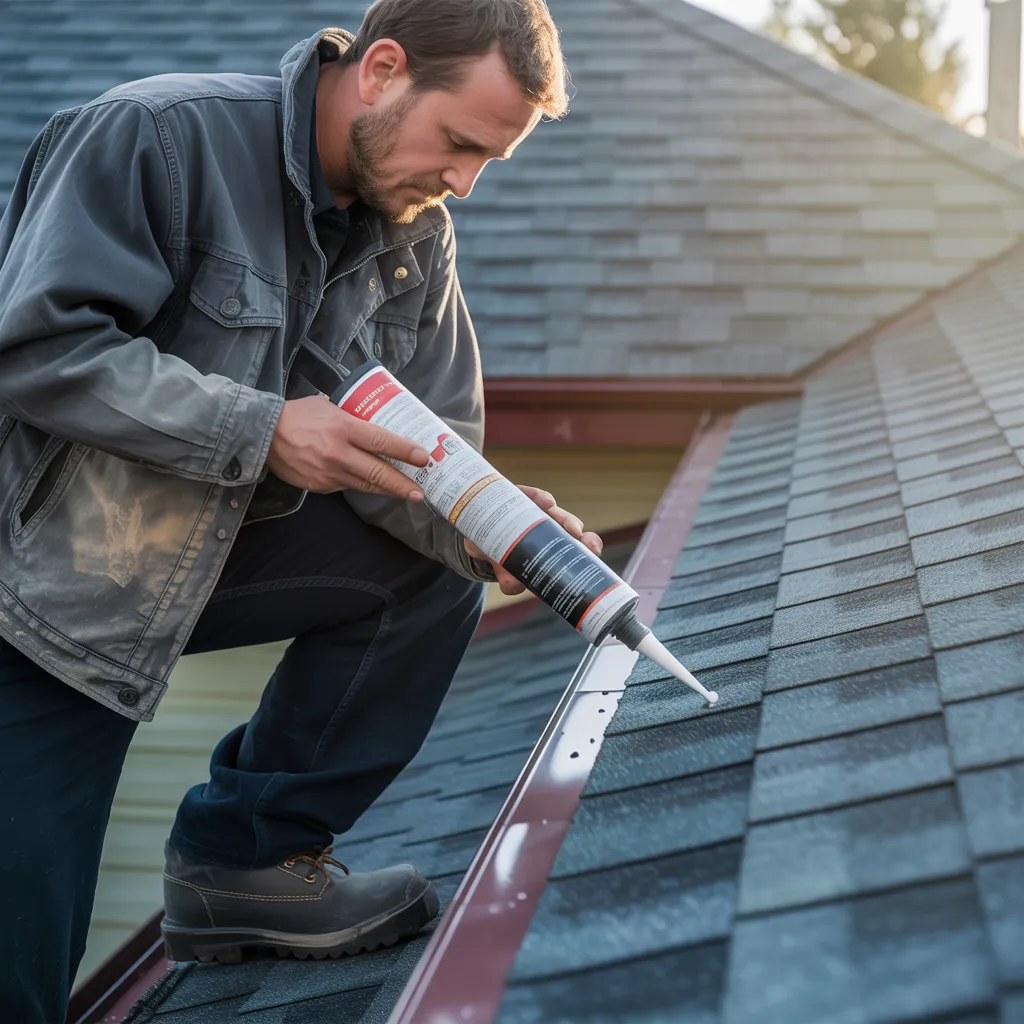
Guide of Widely-Used Roofing Materials: Benefits and Drawbacks
When selecting roofing materials, homeowners often assess the benefits and drawbacks of different choices. Asphalt shingles are among the most common due to their cost-effectiveness and simple installation process, but they have a reduced durability compared to other materials. Clay tiles offer long-lasting performance and visual attractiveness, though their heaviness and increased expense can be problematic for some structures. Metal roofing is recognized for its extended lifespan and protection from severe climate conditions, yet it may create noise and expansion issues. Wood shingles deliver rustic charm and thermal protection but demand regular maintenance to avoid rot and insect damage. Slate is celebrated for its sophistication and exceptional longevity but comes with a substantial cost and necessitates professional installation. Finally, man-made alternatives, like rubber or plastic, mimic traditional materials while often being less heavy and more cost-effective; however, their durability over time can vary. Each material offers distinct strengths and weaknesses that homeowners must carefully evaluate.
The Accelerating Recognition of Metal Roof Coverings
Metal roofing has achieved a notable surge in popularity among homeowners, driven by its impressive durability and energy efficiency. Unlike traditional roofing materials, metal roofs can tolerate extreme weather conditions, including heavy rain, snow, and high winds. This resilience not only lengthens the life of the roof but also decreases the requirement for frequent repairs.
Moreover, metal roofing deflects solar heat, which can produce lower utility costs during hot months. Homeowners are increasingly appreciating its eco-friendly nature, as many metal roofs are made from reclaimed materials and are fully recyclable at the end of their life cycle.
The visual flexibility of metal roofing has also contributed to its growth, with options available in various colors and styles that can enhance any home aesthetic. As the demand for sustainable and long-lasting building materials grows, metal roofing stands out as a preferred choice for modern homeowners looking for both practicality and aesthetic charm.
The Advantages of Tile and Slate Roof Installation
Tile and slate roofs provides significant benefits that appeal to homeowners looking for long-lasting solutions. Recognized for their durability and longevity, these materials can withstand severe climatic elements while maintaining their quality. Furthermore, the aesthetic options offered enhance the appearance of properties, rendering them a preferred option in various design formats.
Endurance And Extended Life
A major advantage of tile and slate roofing offers exceptional durability and longevity. Both materials are recognized for their capacity to withstand harsh weather conditions, including heavy rain, snow, and extreme temperatures. Unlike traditional roofing materials, tile and slate are immune to rot, insects, and fire, which significantly reduces maintenance costs over time. Their lifespan can exceed 50 years, often lasting much longer with proper care, making them a worthwhile investment for homeowners. Additionally, their weight contributes to structural stability, providing further safeguarding important resource against environmental stressors. By choosing tile or slate, homeowners can enjoy peace of mind knowing their roofing solution is built to last, ultimately enhancing the overall safety and security of their homes.
Aesthetic Allure Alternatives
While reviewing roofing alternatives, homeowners often find that tile and slate roofing not only offers durability but also improves the aesthetic appeal of their properties. These materials come in a range of colors and styles, allowing homeowners to choose designs that complement their architectural vision. Tile roofing, with its Mediterranean charm, delivers a warm, inviting look, while slate roofing exudes sophistication and elegance. The natural textures and rich hues of slate add to a timeless appeal, making it a popular choice for upscale homes. Additionally, both materials are resistant to fading, ensuring that their beauty lasts for decades. Ultimately, tile and slate roofing not only shields a home but also enhances its overall visual impact.
Advantages of Asphalt Shingles Roofing for Residential Owners
Many homeowners determine asphalt shingles to be an ideal roofing option due to their low cost and durability. This type of roofing material is known for its budget-friendly qualities, making it reachable for a wide range of budgets. In addition, asphalt shingles supply a lifespan of 15 to 30 years, depending on the excellence and servicing, providing a dependable investment for homeowners.
The range of colors and styles offered permits adaptation to elevate a property's visual appeal. Additionally, asphalt tiles are rather uncomplicated to apply, which can produce minimal labor charges. They also work efficiently in various weather conditions, enhancing their popularity.
An additional key benefit is their resistance to wear and deterioration from UV rays, ensuring that roofs keep their visual appeal over time. Overall, asphalt shingles provide a sensible and visually appealing roofing choice for homeowners seeking reliability and value.
Premier Roofing Alternatives for Your Weather
Selecting the right roofing material is essential, as it must withstand the distinct challenges created by diverse climates. In cold regions, homeowners should emphasize options that deliver insulation and resist snow accumulation, while those in hot climates may benefit from materials that absorb heat and boost energy efficiency. Recognizing these considerations can inform effective roofing choices adapted to environmental conditions.
Cold Weather Aspects
When homeowners in cold climates contemplate roofing options, they must examine material durability and insulation properties to cope with harsh weather conditions. The most reliable roofing materials include metal, asphalt shingles, and slate. Metal roofs offer outstanding durability and resistance to snow accumulation, while asphalt shingles provide a cost-effective solution with adequate insulation. Slate, though more expensive, delivers remarkable durability and aesthetic appeal. Additionally, proper insulation and ventilation are vital to prevent ice dam formation and moisture buildup, which can lead to structural damage. Homeowners should also review local building codes and climate-specific recommendations to guarantee their roof can endure heavy snowfall and extreme temperatures, ultimately safeguarding their homes against the elements.
High Temperature Solutions
Differing from the difficulties encountered in cold climates, residents in hot regions must stress the importance of heat resistance and energy efficiency when opting for roofing materials. Favored alternatives including reflective metal roofs gain favor due to their capacity to repel sunlight, thereby reducing heat uptake. Tile options made from clay and concrete provide outstanding thermal performance combined with longevity and visual beauty. Moreover, cool roofing systems equipped with specialized coatings that deflect additional sunlight can markedly decrease interior temperatures. Insulation serves as an essential component, enabling the preservation of a pleasant indoor space. Ultimately, determining the suitable roofing option improves comfort while simultaneously advancing energy reduction, making it a significant factor for homeowners in hot climates.
Warnings You Require a Roof Replacement or Repair?
How can property owners figure out whether their roof requires replacement or repair? Several clear signs point to potential issues. First, visible damage such as missing shingles, curled edges, or significant loss of granules suggests deterioration. Homeowners should also check for water marks or damp patches on ceilings and walls, which can signal leaks. If light is apparent through openings in the roof or attic, it indicates structural compromise.
Additionally, sagging areas may point to underlying structural problems, requiring immediate attention. A roof's maturity is also a essential factor; most roofs last between 20 to 25 years. If a roof is approaching this age and displays multiple indicators of deterioration, replacement may be necessary. Regular inspections after severe weather events can help identify issues early. By acknowledging these indicators, property owners can determine appropriate actions about the condition of their roofs and ensure their homes stay safe and secure.
Tips for Caring for Your Roof to Prolong Its Life Expectancy
To ensure roof longevity, consistent attention and proactive care are necessary. Homeowners are encouraged to perform routine inspections twice yearly to detect signs of damage or wear. Key tasks include inspecting for missing shingles, cracks, and debris buildup. Clearing gutters is vital since blockages may result in water accumulation and possible leaks.
Furthermore, trimming back overhanging branches can prevent harm from falling limbs and minimize moss growth, which can compromise roofing materials. Using a protective coating can also improve resilience against harsh weather conditions.
Furthermore, ensuring proper ventilation in the attic helps regulate temperature and moisture levels, reducing the risk of rot and mold. Engaging a professional for periodic maintenance can provide confidence, as experts can spot issues that may go unnoticed. By implementing these practices, homeowners can greatly extend the lifespan of their roofs, guaranteeing safety and security for their homes.
Frequently Raised Questions
How Should I Select the Correct Roofing Contractor for My Needs?
To select the ideal roofing contractor, one should investigate qualifications, check feedback, compare estimates, confirm coverage, and guarantee transparent dialogue. A thorough selection process can lead to a successful and satisfying roofing project.
What Is the Standard Lifespan of Various Roofing Materials?
Roof materials have different lifespans: asphalt shingles endure 15-30 years, metal roofs can persist for 40-70 years, clay tiles often achieve 50-100 years, and slate roofs may last over a century with proper maintenance.
Are Roof Guarantees Worth the Investment?
Roofing warranties can be worth the investment as they provide financial protection against defects and premature wear. However, their benefit often copyrights on material durability and quality and the exact terms and conditions of coverage.
How Can I Maximize My Roof's Energy Performance?
To maximize a roof's power efficiency, one can set up reflective roofing materials, reinforce insulation, plug leaks, and embed ventilation systems. These measures help balance temperature, reduce energy bills, and advance a more environmentally responsible home.
What Are the Charges For a Roof Replacement?
The costs associated to a roof replacement generally fall from $5,000 to $20,000, depending on materials, labor, and the roof's size. Additional factors include geographical location and the intricacy of the roofing system.